
“The Art Of Simplicity – Minimalist Home Accessories Inspired By Scandinavian Design”
There’s a quiet clarity in Scandinavian-inspired accessories that helps you create functional, uncluttered spaces; practical pieces, natural materials, and muted palettes guide you to thoughtful choices and enduring style.
Key Takeaways:
- Scandinavian minimalism prioritizes function and simple forms to reduce visual clutter and support everyday use.
- Light woods, natural fibers, and a neutral palette create warmth and a soft, understated aesthetic.
- High-quality, well-crafted pieces favor longevity over trends, encouraging selective buying and fewer replacements.
- Negative space, geometric shapes, and tactile accents balance visual clarity with sensory comfort.
- Sustainable materials and multifunctional accessories lower environmental impact and simplify daily routines.
The Philosophy of Scandinavian Minimalism
Simplicity guides how you edit possessions, favoring quality, calm, and intention over clutter to create spaces that support daily living.
Balancing Functionality and Aesthetics
Balance ensures you choose pieces that perform well while contributing quiet beauty, so every accessory earns its place in a harmonious home.
The Core Principles of “Hygge” and Light
Light helps you shape spaces that feel intimate and serene by combining soft illumination with tactile textiles and uncluttered surfaces.
Hygge invites you to arrange seating, layered lighting, and natural textures so daily rituals-reading, tea, quiet conversation-become sensory anchors of comfort.
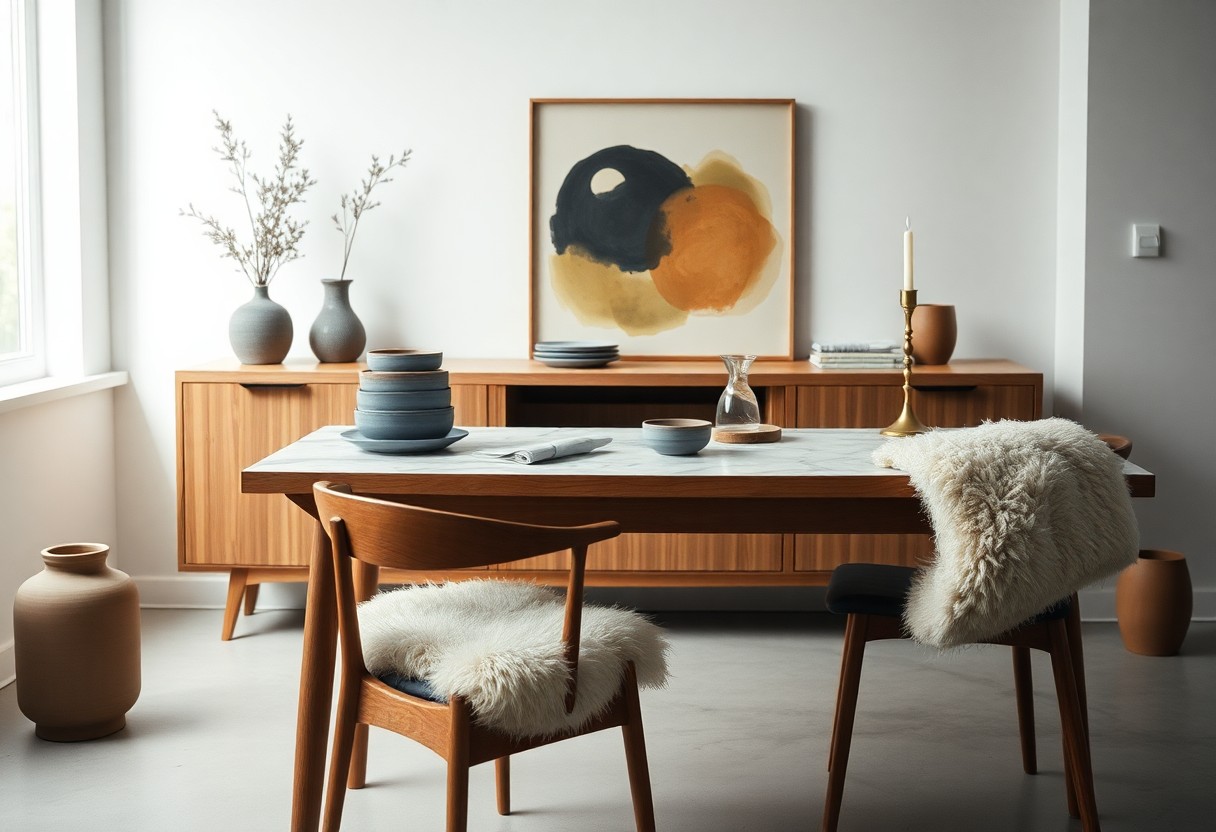
Essential Materials in Nordic Decor
Materials in Nordic decor prioritize natural textures and muted tones, so you choose pieces that feel timeless and functional while keeping spaces airy and calm.
Organic Woods and Raw Stone
Reclaimed oak and birch deliver warm grain and low-gloss surfaces; you balance them with simple silhouettes and light finishes to sustain Scandinavian clarity.
Tactile Textiles and Natural Fibers
Wool, linen and hemp introduce soft, tactile layers that you use to add warmth without visual clutter, choosing muted colors and subtle patterns.
You can layer textured throws, chunky knits, and braided rugs to create depth; choose natural dyes and simple motifs so surfaces remain breathable and maintenance stays straightforward.
Curating Minimalist Living Spaces
Balance your layout by prioritizing functional furniture and uncluttered surfaces, so you cultivate an intentional, calm home that highlights texture, light, and imperative forms.
The Strategic Use of Negative Space
Negative space directs attention and lets you appreciate each object; reserve breathing room around pieces to enhance proportion, light, and visual rhythm.
Selecting Impactful Statement Pieces
Choose one sculptural item per room that anchors the scheme, allowing you to express personality without cluttering the composition.
Consider selecting pieces with strong silhouettes, natural materials, and restrained color so they read as focal points rather than distractions. You should size items to the room, contrast textures against neutral backdrops, and limit surrounding objects so each statement piece can carry visual weight and clear purpose.
Iconic Home Accessories and Accents
Objects that define Scandinavian minimalism are pared-down silhouettes, natural materials, and intentional function; you choose pieces that anchor a room without clutter, favoring quality of form and tactile detail over decorative excess.
Sculptural Lighting Solutions
Lighting becomes a focal art piece in minimalist interiors, so you select sculptural pendants and soft-diffusing shades that cast warm, even light while contributing clean geometric character.
Artisanal Ceramics and Functional Glassware
Ceramics and glassware offer handmade imperfection and restrained palettes; you use bowls, vases, and carafes as everyday objects that also provide sculptural rhythm across shelves and tabletops.
Hand-formed pieces with muted glazes let you combine utility with quiet beauty: choose stackable dinnerware, matte mugs, and slender vases that age gracefully and anchor daily rituals without visual noise.
The Scandinavian Color Palette
Palette inspired by Nordic light helps you choose muted whites, soft grays and pale pastels that let accessories create calm without visual noise.
Neutral Tones and Earthy Hues
Neutral tones and earthy hues guide you toward warm beiges, soft taupes and clay accents that anchor composition while showcasing texture.
Using Contrast to Create Visual Depth
Contrast invites you to pair deep charcoals or matte blacks with pale walls, producing sculptural depth without compromising minimal serenity.
Layered contrast lets you control focal points: dark textiles, slim black frames and one patterned cushion anchor sightlines, helping you direct attention while broad light surfaces expand perceived space and preserve a tranquil, uncluttered feel.
Sustainability and Ethical Craftsmanship
You can choose FSC-certified wood and organic textiles, supporting artisans who receive fair wages and low-impact production; these choices reduce your environmental footprint while celebrating skilled, ethical craftsmanship.
Investing in Quality Over Quantity
Choose durable, repairable accessories so you buy less and keep more, saving resources and money while cultivating a curated home that ages gracefully.
The Longevity of Timeless Design
Timeless shapes and neutral palettes fit changing trends, so you avoid frequent replacements and let each piece gain character as it serves your daily routines.
Durability comes from thoughtful joinery, solid materials, and finishes that stand up to wear; when you prioritize these qualities, you preserve value, reduce waste, and build a home where objects tell a continuous story.
Conclusion
The minimalist pieces inspired by Scandinavian design guide you to create calm, functional interiors where clean lines, natural textures, and thoughtful details improve daily comfort and clarity in your home.
FAQ
Q: What defines “The Art Of Simplicity” in minimalist home accessories inspired by Scandinavian design?
A: Scandinavian minimalism emphasizes function, clean lines, natural materials, and muted palettes. Design prioritizes utility and quiet craftsmanship over ornamentation. Common accessories include simple candleholders, neutral textiles, sculptural lamps, and unadorned ceramics. This approach creates calm, light-filled spaces where each object has intent.
Q: How should I choose materials and colors for a Scandinavian-inspired accessory collection?
A: Choose natural materials such as light woods, linen, wool, and matte ceramics for authenticity and longevity. Popular finishes include clear oil, matte glazes, and brushed metals in muted tones. Select a palette of soft whites, warm greys, muted blues, or gentle pastels to maintain harmony. Introduce texture through knit throws or felt pads rather than bold patterns.
Q: How can I integrate minimalist Scandinavian accessories into an existing home without making it feel cold?
A: Begin by removing visual clutter and keeping only items that serve a purpose or bring joy. Focus on functional pieces like a streamlined tray, a well-designed hook rack, or a compact planter that doubles as decor. Group similar items in odd-numbered clusters to create a curated look without overcrowding surfaces. Aim for balance between open space and objects to let light and form breathe.
Q: What are the best care practices to maintain minimalist accessories made from natural materials?
A: Follow care labels and use gentle cleaning methods to protect natural finishes. Wood benefits from periodic oiling with an approved product to prevent drying and maintain grain. Ceramics and glass usually need only a soft cloth and mild detergent; avoid abrasive cleaners. Rotate textiles and cushions to prevent uneven wear and wash removable covers on low heat.
Q: Where should I shop and what should I look for when buying high-quality Scandinavian-inspired accessories?
A: Look for makers that publish material sources, production methods, and social responsibility practices. Inspect joints, glazing quality, and hardware to judge construction rather than rely on branding. Consider buying secondhand Scandinavian pieces or supporting small studios to extend product lifecycles. Weigh long-term function and versatility against initial cost to get better value.