

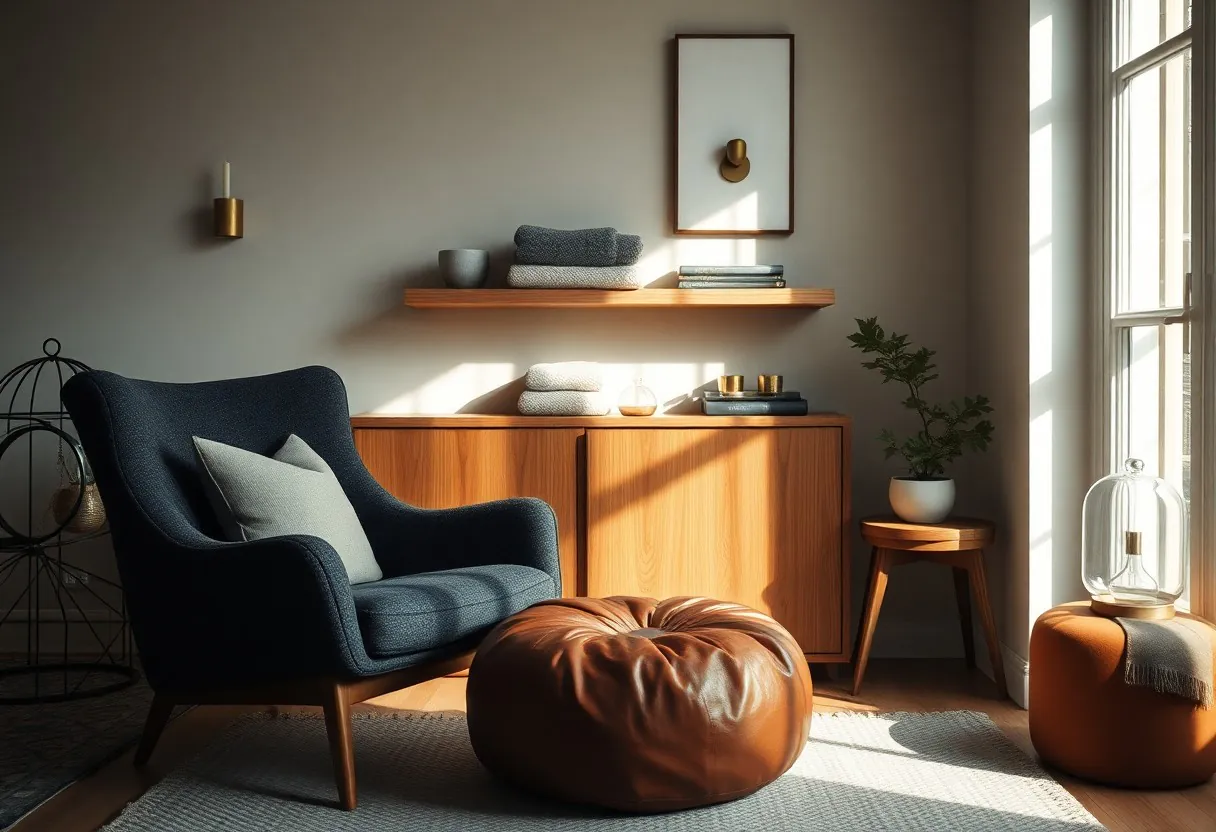
Many simple accessories – textured throws, layered lighting, natural wood accents, and scented candles – guide you to a cozy Scandinavian living space by prioritizing comfort, muted palettes, and tactile warmth that invite calm and sociable moments.
Key Takeaways:
- Soft textiles – wool throws, sheepskins, and plush cushions – add warmth and tactile comfort.
- Layered lighting with candles, table lamps, and warm LED bulbs creates a gentle, cozy glow.
- Natural materials like light wood, stone, and ceramic provide organic texture and visual calm.
- Simple storage solutions and decluttered surfaces keep spaces serene and let cozy elements stand out.
- Personal touches such as books, plants, and scented candles cultivate a lived-in, comforting atmosphere.
Strategic Lighting for Atmospheric Warmth
Soft pools of layered light make living spaces feel intimate; you should position floor lamps, table lamps, and candles to create pockets of warmth that draw attention and soothe the eye.
The Primacy of Candlelight in Hygge Culture
Candles offer a flickering, low-glow ambiance you can rely on for quiet evenings; place clusters in safe holders, vary heights, and mix beeswax or soy for cleaner scent and a calmer glow.
Utilizing Warm-Spectrum Lamps and Dimmers
Choose warm-spectrum bulbs (2700-3000K) and add dimmers so you can lower intensity without losing color; softer light reduces visual clutter and supports relaxed conversation.
Installing dimmers or using smart bulbs lets you tailor brightness for morning tasks or evening unwinding, and it gives you scene control for different moods. You should prioritize high CRI (90+) and warm Kelvin to keep colors natural and skin tones flattering. Aim lamp placement at seating areas and reading nooks, and use shades to diffuse glare for a gentle, enveloping light.
Bringing Nature Indoors with Organic Elements
Bring natural elements into your living space with simple organic textures-linen throws, jute rugs, and pottery-to create a calm, warm atmosphere that connects you to the outdoors.
Selecting Low-Maintenance Greenery and Flora
Choose hardy, low-care plants like snake plants, pothos, and ZZs; position them at varied heights in clay or terracotta pots so you enjoy greenery without extra fuss.
Using Raw Wood and Natural Stone Accents
Introduce raw wood coffee tables, butcher-block shelves, and stone coasters so you add tactile warmth and quiet contrast that complements soft textiles and neutral palettes.
Pair reclaimed wood pieces with honed or matte stone surfaces, using untreated finishes and visible grain to keep the look honest; you can balance scale with narrow shelving, a stone hearth, or wood-framed mirrors. Light finishes and warm, low lighting preserve hygge comfort while maintaining the Scandinavian preference for simplicity and craftsmanship.
Designing a Dedicated Hyggekrog or Cozy Nook
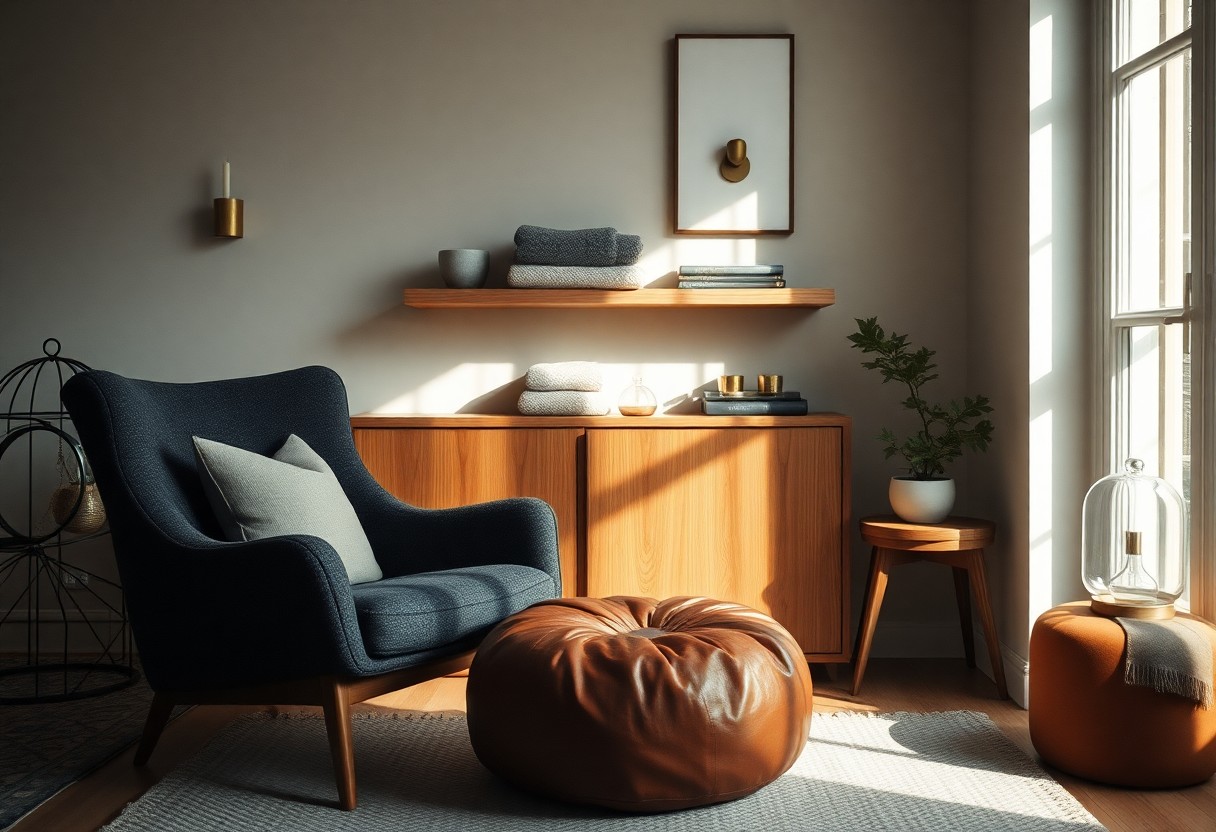
Tuck a compact hyggekrog into an unused corner with soft lighting, layered throws, and a small basket for blankets so you can escape daily noise and savor slow moments.
Creating a Sanctuary for Quiet Reflection
Settle into a tucked spot with muted tones, a candle or diffuser, and a low bookshelf so you can read, breathe, and reflect without distractions.
Choosing Ergonomic Seating and Minimalist Side Tables
Select seating that supports your posture and a minimalist side table that holds a lamp and a mug while keeping the area uncluttered.
Prioritize chairs with good lumbar support and a slightly reclined back so you can sit for long reads; choose natural upholstery like wool or linen for comfort. You should pair seat height with a low side table so reaching feels natural, and favor rounded edges and light wood finishes to keep the nook calm and understated.
Enhancing the Space with Sensory Accessories
Sensory details transform rooms into calming nests; you can layer soft textures, warm lighting, and subtle scents to make living areas feel intimate and restorative.
Utilizing Essential Oil Diffusers and Scented Candles
When you choose natural scents like pine, linen, or citrus, small diffusers and beeswax candles provide a steady, gentle aroma that supports relaxation and memory-making.
Incorporating Acoustic Elements for Sound Dampening
Soft furnishings-thick rugs, curtains, upholstered seating-absorb reverberation so you can enjoy quieter conversations and undisturbed reading.
Layer rugs, wall hangings, and bookcases to break sound paths; you can position tall furniture against shared walls, add heavy curtains at windows, and install thin acoustic panels behind art to improve clarity without sacrificing aesthetics.
To wrap up
The guide shows how simple textiles, warm lighting, natural materials, and minimal clutter help you create a cozy Scandinavian living space; use soft throws, candles, wooden accents, and neutral palettes to craft a calming, inviting home.
FAQ
Q: What accessories define a hygge Scandinavian living space?
A: Soft textiles, warm lighting, natural materials and simple personal items define hygge. Typical accessories include wool or chunky knit throws, sheepskin rugs, linen cushions, low-wattage lamps, beeswax or LED candles, handmade ceramics, woven baskets and wooden trays. Choose muted colors, tactile textures and pieces that invite use, like an everyday mug or a cosy throw within reach of seating.
Q: How should I light my space to achieve a hygge atmosphere?
A: Layered, warm lighting creates a relaxing mood. Use warm bulbs (about 2000-2700K), table and floor lamps, and dimmers to soften overhead light. Group small candles or LED flicker candles on trays for safe, intimate pools of light. Position lamps near reading spots and seating to combine function with atmosphere.
Q: What are practical tips for layering textiles to make a room feel cozier?
A: Start with a neutral base and add varying textures and shapes. Combine a smooth linen sofa or wool rug with nubby cushions, a chunky knit throw and a faux or genuine sheepskin for contrast. Use two to five cushions depending on sofa size and casually drape a throw over an armrest for an inviting look. Follow care labels: machine-wash cottons gently, spot-clean wool, and air or brush natural furs and sheepskins.
Q: Which small decor and tableware pieces create everyday hygge moments?
A: Simple, handmade ceramics, a sturdy teapot, a wooden tray and soft coasters turn small rituals into hyggelige moments. Keep surfaces uncluttered by selecting a few meaningful objects and arranging them in small groups. Fresh sprigs or a single vase, a stack of comforting books and a candle create a calm vignette that encourages slow living.
Q: How can I bring hygge into a small space or on a tight budget?
A: Focus on sensory impact and multifunctional pieces. A well-chosen throw, a warm lamp and a good mug deliver immediate comfort without large expense. Buy secondhand for rugs, side tables and candleholders, and repurpose baskets for storage to reduce clutter. Rotate textiles seasonally and store them in breathable bags to protect them and keep the space fresh.
Leave a Reply