


Over a few simple changes, you can transform your home into a calming, cozy Scandinavian haven; this guide gives practical advice on light, texture, neutral palettes, and functional furnishings to create an uncluttered, warm living space.
Key Takeaways:
- Scandinavian design uses neutral color palettes, ample natural light, and uncluttered layouts to create calm interiors.
- Functional, multi-purpose furniture and clever storage solutions keep spaces tidy while preserving simple aesthetics.
- Textiles like wool, sheepskin, and layered rugs introduce warmth and tactile coziness without heavy decoration.
- Natural materials such as light woods, stone, and plants bring an organic feel that softens minimalist spaces.
- Soft, layered lighting-table lamps, floor lamps, and candles-builds a cozy atmosphere and offsets long, dark seasons.
The Fundamental Principles of Scandinavian Design
Light-driven spaces guide you toward pared-back choices: neutral palettes, natural materials, and thoughtful furniture that prioritize comfort and clarity while keeping visual noise low.
Balancing Aesthetics with Practical Functionality
Balance clean lines with storage-smart pieces so you can enjoy beauty without sacrificing daily use; choose versatile items that simplify routines and feel inviting.
Embracing the Minimalist Philosophy
Simplicity encourages you to keep only what serves a purpose or brings joy, making rooms calmer and easier to maintain while highlighting quality over quantity.
Consider editing by categories, not rooms, so you decide what to keep based on use and feeling; select a restrained palette and introduce texture through natural fabrics and wood to avoid coldness. Choose well-made multifunctional pieces, limit accessories to curated accents, and leave breathing space so your layout reads calm and purposeful.
Mastering the Signature Scandi Color Palette
Scandinavian palettes rely on soft greys, warm whites and muted pastels so you create a tranquil, unified backdrop that highlights texture and light.
Utilizing Muted Neutrals and Earthy Tones
You can layer warm beiges, stone greys and gentle greens with natural wood accents to ground spaces and maintain an understated, cozy atmosphere.
Maximizing Natural Light and Brightness
Windows become focal points; maximize glazing, use sheer curtains and place reflective surfaces so you flood interiors with soft, even daylight.
Arrange mirrors opposite windows, keep frames slim and choose pale, low-absorbency paints so you bounce light deeper into rooms. Use layered lighting-warm overheads, task lamps and dimmers-so you maintain brightness after sunset while preserving a cozy Scandi feel.
Selecting Natural Materials and Textures
You can ground your home with natural materials and varied textures, opting for unfinished wood, matte stone, and soft textiles to create calm warmth. Balance smooth surfaces with rougher grains and tactile accents so rooms feel layered but uncluttered.
Integrating Light Woods and Organic Stone
Choose pale woods such as ash or birch for floors and furniture, and pair them with honed limestone or soapstone to reflect light and add subtle texture. Keep finishes matte and profiles simple to maintain an airy, calm atmosphere.
Layering Wool, Linen, and Sheepskin Fabrics
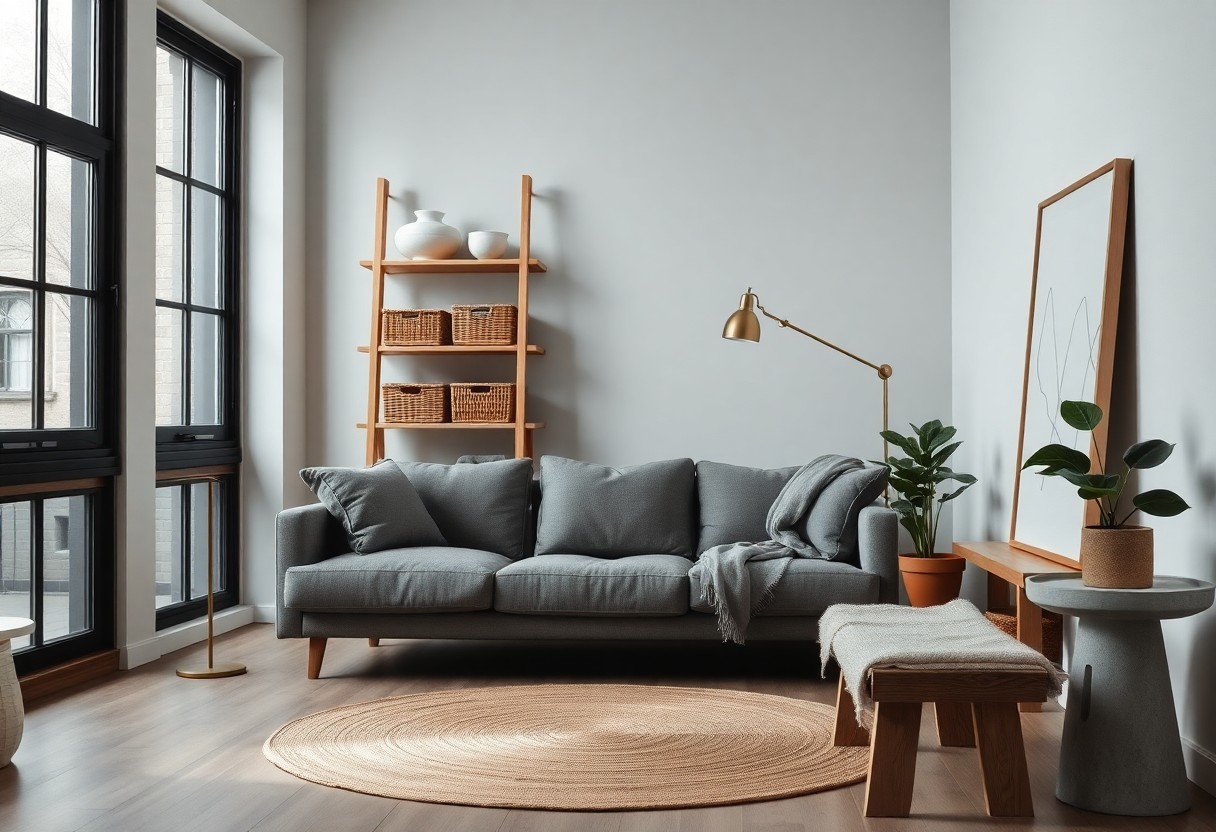
Layer wool throws, linen cushions, and a sheepskin rug to introduce softness and insulation without visual clutter. You can vary pile and weave to add depth while sticking to a muted palette so tactile contrast reads calm, not busy.
Mix textures strategically: drape a heavy wool blanket over the sofa, add linen pillows for breathability, and place a low-pile sheepskin near seating or beside the bed to warm the floor. You should favor natural dyes, stick to two to three complementary tones, and rotate lighter linens in summer for comfort and longevity.
Furniture Selection and Spatial Arrangement
Choose streamlined, multifunctional pieces and plan placement to maximize flow and light, so your rooms feel calm and purposeful without overcrowding.
Investing in Timeless, Clean-Lined Pieces
Select timeless sofas and wooden tables with clean lines and neutral finishes; you’ll have anchors that age gracefully and suit varied decor.
Creating Uncluttered and Open Floor Plans
Arrange furniture to define zones, keep paths clear, and let natural light travel; you’ll create airy, comfortable rooms that encourage relaxation.
Prioritize clear pathways of 60-90 cm and leave breathing space around key pieces; you can use low-profile furniture to maintain sightlines and swap bulky items for open-legged designs. Choose multipurpose storage like benches and wall-mounted shelves to hide clutter while keeping surfaces minimal, so your floor plan feels airy and purpose-driven.
Cultivating Hygge: The Art of Coziness
You cultivate hygge by prioritizing comfort, soft textures, and unhurried routines; layer throws, choose plush rugs, and limit clutter so rooms feel calm, inviting, and perfectly lived-in.
Designing Intimate Nooks and Soft Lighting
Arrange a reading nook with a deep chair, layered cushions, and an adjustable lamp so you can enjoy soft, directional light that invites relaxation and long evenings.
Incorporating Personal Elements and Warmth
Personalize your space with heirlooms, handmade ceramics, and framed photos so you bring warmth, story, and tactile contrast to clean lines and muted palettes.
Mix curated mementos with modern pieces: display a favorite book stack, hang a vintage print, and place a small plant beside a candle so you create visual warmth without clutter. Choose items with personal meaning and consistent tones to keep the look cohesive while letting your personality quietly shine.
Bringing the Outdoors In
You can soften interiors with natural textures-light wood, wool throws, muted tones-and strategic windowside seating so rooms feel airy, calm and connected to nature.
Enhancing Wellness with Indoor Greenery
Plants improve air quality and mood; choose low-maintenance species and place them where you spend most time to reap calming benefits.
Prioritizing Sustainable and Eco-Friendly Decor
Opt for reclaimed wood, organic textiles and low-VOC paints so your decor supports longevity and reduces environmental impact in everyday living.
Sourcing local and certified materials helps you reduce your carbon footprint; favor durable pieces, repair rather than replace, and pick natural fibres like linen and wool. Mixing vintage finds with responsibly produced new items keeps costs down and character up, while simple maintenance and modular designs extend a piece’s life and keep your home sustainably stylish.
Final Words
Following this guide, you create a calm, cozy Scandinavian home by choosing pale palettes, natural materials, simple furniture, layered textiles, and warm lighting; focus on functional décor, curated accents, and greenery to sustain comfort and clean visual balance.
FAQ
Q: What are the defining elements of Scandinavian home décor?
A: Scandinavian décor prioritizes light, neutral color palettes-whites, soft grays, muted pastels-and an emphasis on natural light. Clean lines and functional furniture create uncluttered spaces while wood, leather, and wool introduce warmth and texture. Textiles such as throws, cushions, and layered rugs add softness and visual interest. Greenery and simple, well-chosen accessories provide personality without crowding the room.
Q: How can I create a calm and cozy living room using Scandinavian principles?
A: Start by maximizing natural light with sheer window treatments and light-reflecting surfaces like pale walls and mirrors. Arrange seating to encourage conversation and leave clear pathways to maintain an airy feel. Layer textiles-a wool rug, linen curtains, and several soft throws-to build tactile warmth. Use warm-toned bulbs and multiple light sources (floor lamps, table lamps, and candles) to create a soft evening glow. Keep décor curated and functional to avoid visual clutter while adding a few personal items for comfort.
Q: How do I balance minimalist aesthetics with hygge-style coziness?
A: Apply a “less but better” approach: choose a few high-quality items that serve a purpose and bring comfort, such as a comfortable sofa and a thick area rug. Introduce cozy elements through texture rather than ornamentation-chunky knit throws, sheepskin, and layered cushions work well. Keep surfaces mostly clear and use hidden storage to maintain minimalist lines. Select warm lighting and small, intimate vignettes like a reading corner with a lamp, blanket, and a stack of books to achieve hygge without clutter.
Q: What lighting choices and placement work best for a Scandinavian interior?
A: Combine abundant natural light during the day with layered artificial lighting for the evening. Choose warm white bulbs around 2700-3000K to produce a comfortable glow. Place a pendant or chandelier over dining or central zones, use floor lamps beside sofas for task lighting, and add table lamps on sideboards for ambiance. Install dimmers where possible to control mood. Candles and lanterns provide soft punctuations of light that enhance a cozy atmosphere.
Q: How can I adapt Scandinavian décor to a small space or a tight budget?
A: Opt for multifunctional furniture such as storage ottomans, nesting tables, and beds with drawers to save space. Keep a light color scheme and use mirrors to open up the room visually. Shop secondhand for solid-wood pieces that can be sanded and painted, and focus spending on a few durable items rather than many inexpensive ones. Add inexpensive textiles-rugs, throws, cushions-to introduce warmth. Decluttering regularly and using smart storage solutions will maintain the spacious, calm feel typical of Scandinavian interiors.
Leave a Reply