

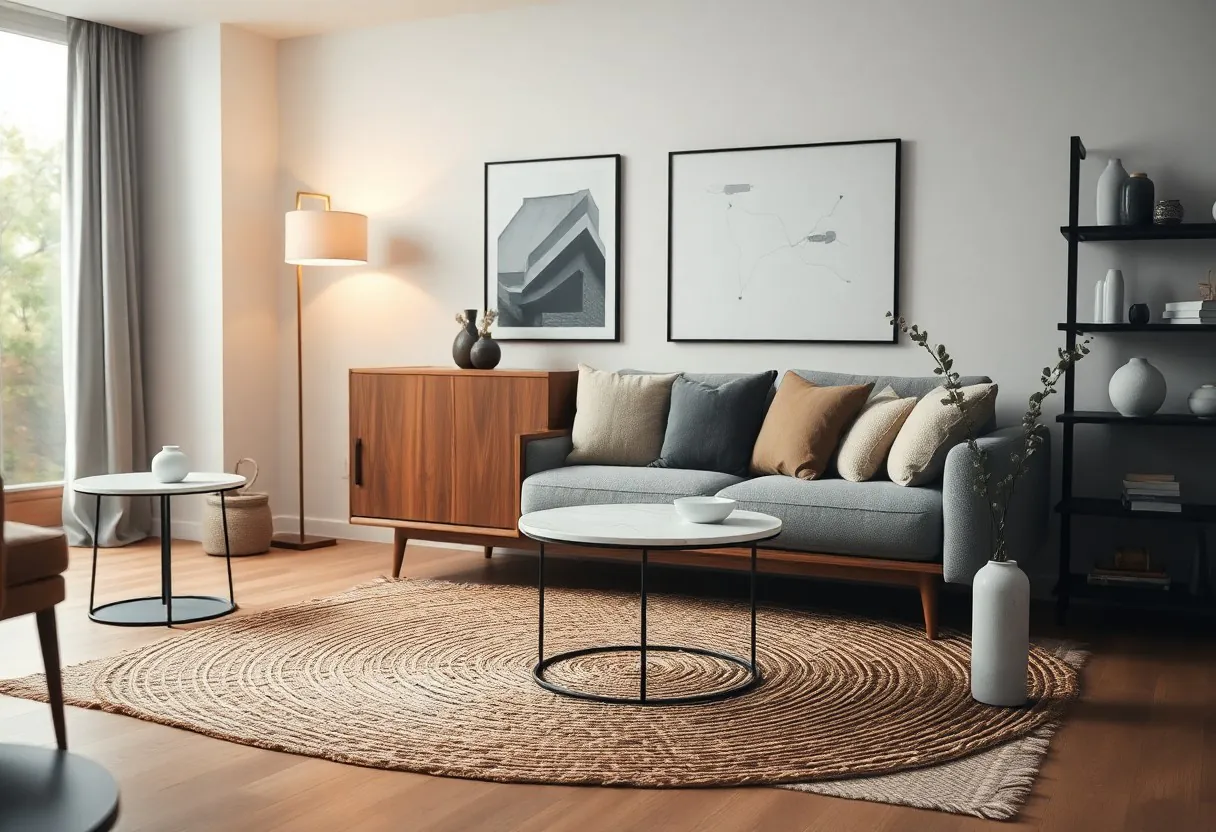
Many Scandinavian interiors show how you can combine practical design and serene aesthetics by prioritizing natural light, muted palettes, timber textures, and smart storage so your home stays functional and effortlessly beautiful.
Key Takeaways:
- Scandinavian design prioritizes functionality with clean lines, uncluttered layouts, and multi-purpose furniture.
- Neutral color palettes of whites, soft grays, and muted pastels create a calm backdrop that emphasizes natural light and texture.
- Natural materials like light woods, wool, and leather introduce warmth and tactile contrast within minimalist spaces.
- Strategic lighting and layered textiles produce visual interest while preserving an airy, simple atmosphere.
- Thoughtful storage and carefully chosen accents maintain practicality without compromising effortless beauty.
Core Principles of Nordic Aesthetics
Nordic design emphasizes clean lines, abundant light, and purposeful furniture so you can create calm, practical rooms that feel both efficient and inviting.
The Philosophy of Lagom and Hygge
Lagom and hygge encourage you to choose moderation and cozy rituals, turning everyday spaces into places of comfort without excess.
Balancing Minimalism with Coziness
Balance pared-back furniture with soft textures so you can preserve visual calm while inviting warmth through lighting, textiles, and thoughtful accents.
Layering natural materials, mixed scales, and a few meaningful objects helps you avoid sterility; prioritize quality, tonal palettes, and functional accessories that add personality without clutter.
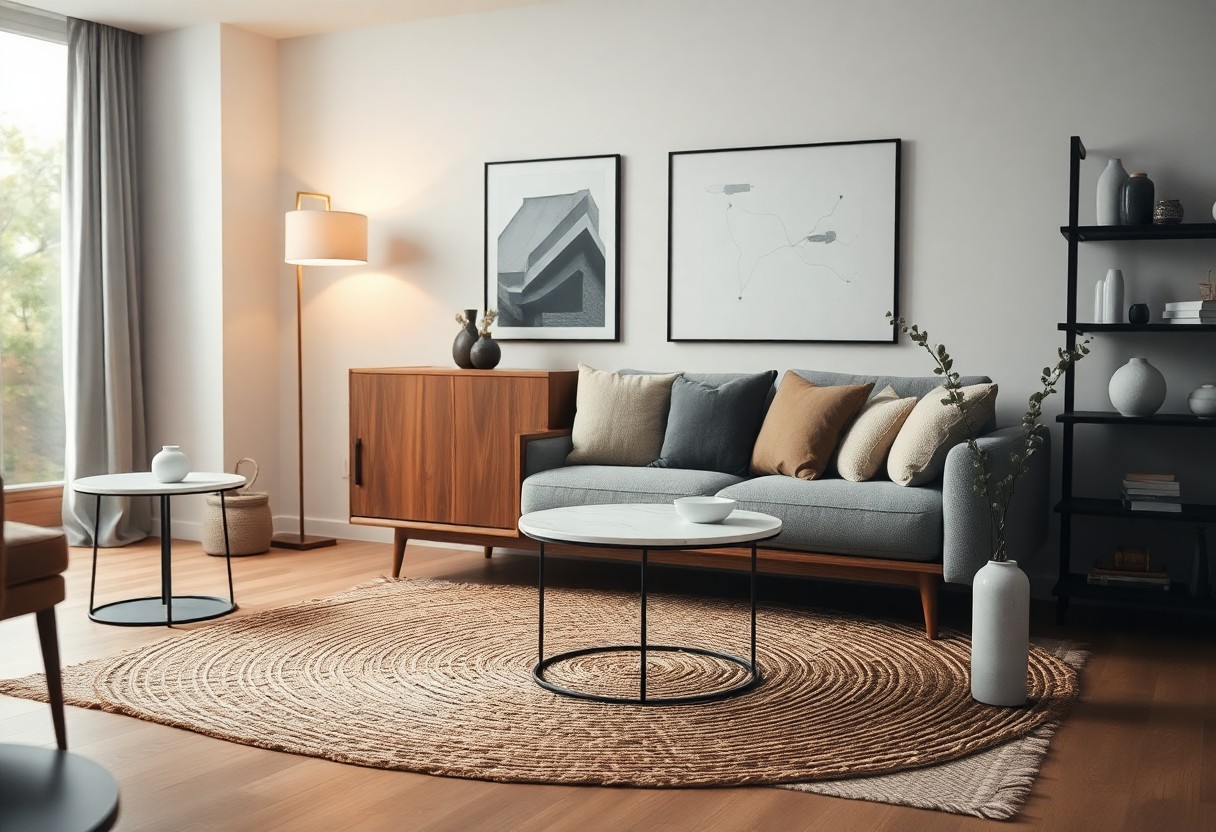
Mastering the Neutral Color Palette
You layer soft beiges, warm greys, and off‑whites to form a calm base that showcases texture, shape, and natural light while keeping rooms airy and intentionally simple.
Utilizing Whites and Muted Earth Tones
Whites and soft earth tones let you brighten rooms while maintaining warmth; pair matte paint with oak or ash to keep the palette tactile and understated.
Incorporating Subtle Contrast and Accents
Introduce slim black frames or muted navy textiles to define areas and add depth without disrupting the neutral cohesion.
Mix in textured accents-brass candlesticks, charcoal ceramics, or a leather pouf-to create deliberate focal points that read as purposeful rather than flashy. Use a single accent hue across cushions, art, and small objects to establish rhythm, and leave generous negative space so each contrast feels intentional and refined.
Maximizing Natural Light and Airiness
Maximize daylight by keeping window zones clear and using pale walls and minimal window dressings so you can rely on skylights, clerestory windows, and open-plan layouts to circulate air and light, creating a breathable, serene interior that feels both functional and effortless.
Strategic Window Treatments and Placement
Choose light-filtering blinds or sheer curtains to soften glare without blocking view; place windows high or wide to draw light deep into rooms, and orient seating to benefit from daylight while maintaining privacy.
The Role of Reflective Surfaces
Use pale finishes, mirrors, and glossed cabinetry to bounce daylight into shadowed corners; you can position mirrors opposite windows and select glass tabletops to amplify brightness while keeping the palette restrained for Scandinavian simplicity.
Experiment with mirror sizes and placement: hang a large vertical mirror opposite the main window to double perceived light, angle smaller mirrors toward sunlit spots, integrate glossy tiles or lacquered furniture in kitchens and bathrooms, and counter heavy shine with natural textiles so reflections feel warm rather than clinical.
Materiality: Bringing the Outdoors In
Materiality guides your choices toward tactile, natural finishes so you bring calm, layered interiors that feel lived-in and luminous.
Light Woods and Organic Textures
Light woods and woven textiles give you warmth without weight, creating open, airy rooms where function meets soft beauty.
Sustainable Stone and Metal Elements
Stone and recycled metals offer you grounded accents that age gracefully while reducing environmental impact in kitchen and bath surfaces.
Choose reclaimed or locally quarried stone to cut transport footprint, and pair matte-finished metals with warm textiles so you avoid a cold feel; seal porous stone for longevity, specify low-VOC finishes, and combine subtle metal patinas with birch or ash to keep interiors inviting.
Functional Furniture and Spatial Layout
Balance storage and seating to keep rooms airy; you should choose streamlined pieces with generous storage, clear sightlines, and appropriate scale so movement flows and light reaches every corner.
Iconic Mid-Century Design Influences
Embrace the clean lines and organic forms of mid-century classics; they teach you restraint and prioritize function while adding warmth through wood tones and sculptural silhouettes.
Multi-purpose and Modular Solutions
Choose modular sofas, nesting tables and foldaway beds so you can adapt rooms for work, play and overnight guests without clutter, keeping surfaces clear and circulation open.
Modular systems let you reconfigure seating, shelving and surfaces as needs change; you should prioritize neutral palettes, durable finishes and concealed hardware so pieces age gracefully. Plan modules to fit doorways and circulation paths, mix fixed storage with mobile elements for flexibility, and use consistent materials to maintain cohesion while room functions shift.
Soft Minimalism and Textile Layering
Soft minimalism invites you to layer textures sparingly, using a restrained palette and purposeful fabrics so spaces feel calm yet tactile; you balance simplicity with comfort by choosing a few well-made pieces that add depth without visual clutter.
Natural Fibers: Wool, Linen, and Sheepskin
Wool, linen and sheepskin invite tactility while performing well-you choose wool for warmth, linen for cool breathability, and sheepskin for soft accents that age beautifully, maintaining the Scandinavian preference for natural, enduring materials.
Adding Warmth Without Clutter
Layer throws and cushions selectively so you achieve cozy pockets without overwhelming surfaces; you pick muted tones and slim silhouettes, keeping visual calm while making seating and beds inviting for everyday use.
Select fabrics and placement with intention: you mix a wool throw, a lightweight linen blanket and a small sheepskin accent to create temperature zones and tactile interest, draping throws over chair backs, folding blankets at bench ends, and reserving open surfaces so warmth feels curated rather than cluttered.
Summing up
The modern Scandinavian approach teaches you to balance clean lines, natural textures, and practical storage so you can create airy, functional interiors that feel warm and timeless.
FAQ
Q: What defines modern Scandinavian style?
A: Modern Scandinavian style centers on clean lines, practical design, and visual calm. Rooms prioritize function with furniture that serves a purpose while keeping shapes simple and proportions balanced. Light palettes, natural woods, and generous daylight create an airy backdrop. Textures such as wool, linen, and sheepskin add warmth and comfort without visual clutter.
Q: How do I blend functionality with effortless beauty in a home?
A: Start by identifying daily routines and designing storage and furniture around those needs. Choose multipurpose pieces like storage benches, extendable tables, and sofas with slim profiles. Keep decor minimal and intentional, using a limited color scheme and a few tactile accents to add personality. Plan traffic paths so each room feels open and usable while still composed.
Q: Which materials, colors, and finishes work best?
A: Light woods such as oak, ash, and birch set a Scandinavian foundation. Neutral walls in white, soft gray, or pale beige reflect light and make spaces feel bigger. Use muted pastels or deep accent tones sparingly for contrast. Matte finishes on wood and ceramics keep surfaces understated, while metal accents in black or warm brass add definition.
Q: What should I look for when choosing furniture and arranging a room?
A: Prioritize quality and comfort over quantity, selecting pieces with functional details and timeless silhouettes. Scale furniture to the room to avoid crowding; smaller rooms benefit from compact seating and vertical storage. Group furniture to support conversation and purpose, anchor zones with rugs, and leave negative space so pieces can breathe.
Q: How can lighting and textiles enhance the Scandinavian look?
A: Layer lighting with ambient fixtures, task lamps, and accent lights to create depth and adaptability. Maximize natural light with sheer curtains or no window treatments where privacy allows. Introduce textiles through rugs, throws, and cushions in natural fibers for softness and sound absorption. Limit patterns to one or two complementary motifs to keep the overall look calm.
Leave a Reply