

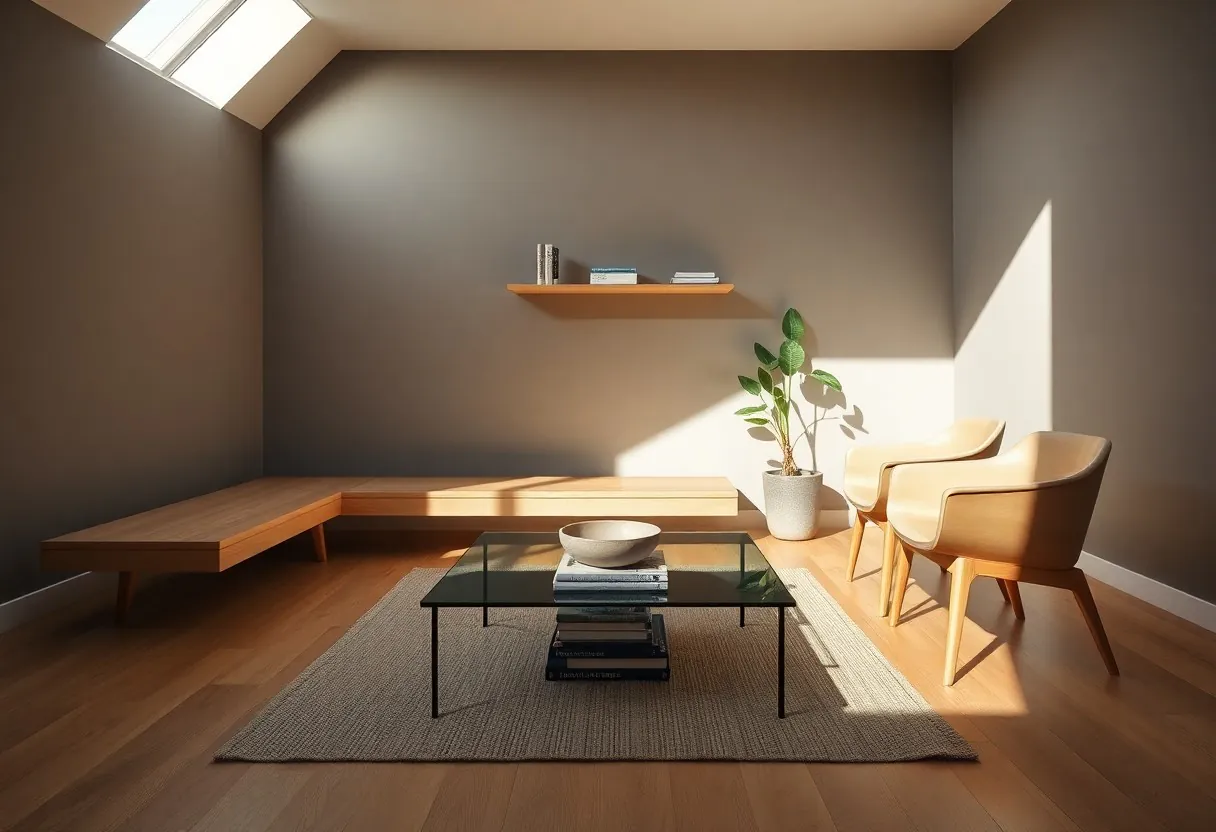
Just embrace Scandinavian minimalism to simplify your spaces with functional, light-toned furniture, natural materials, and purposeful storage; you will reduce clutter, enhance comfort, and create a coherent, timeless interior that prioritizes form and function.
Key Takeaways:
- Scandinavian design prioritizes clean lines, simple silhouettes, and functional forms that reduce visual clutter.
- Light, natural materials-especially pale woods and wool-create a warm, airy feel while supporting durability and longevity.
- Neutral color palettes with muted tones make small spaces feel larger and provide a flexible backdrop for personal accents.
- Multifunctional furniture and smart storage solutions free floor space and encourage a one-in-one-out approach to possessions.
- Focus on quality craftsmanship and timeless pieces reduces turnover and promotes a curated, decluttered home aesthetic.
The Core Principles of Scandinavian Minimalism
Simplicity guides you to prioritize clear lines, natural materials, and muted palettes so every piece serves a purpose; you choose quality over quantity to create calm, functional rooms that feel warm rather than empty.
Balancing Functionality with Aesthetic Appeal
Design asks you to select furniture that works ergonomically while maintaining visual calm: slim profiles, smart storage, and multipurpose pieces keep spaces tidy and inviting without sacrificing comfort.
The Philosophy of Lagom: Finding the Perfect Balance
Lagom teaches you to keep just the right amount-no excess, no scarcity-so belongings support daily life, comfort, and social ease while preserving openness and purpose.
Applying Lagom means you set practical limits-one well-made sofa, multipurpose tables, curated kitchen tools-and prioritize maintenance so items last. You choose neutral tones and tactile materials to encourage relaxation, arrange seating for conversation, and schedule small regular edits so clutter never accumulates, keeping your home balanced, usable, and welcoming.
Essential Furniture Trends for a Decluttered Home
Minimalist furniture trims excess so you can keep only pieces that serve a clear purpose and create calm, functional spaces throughout your home.
Multi-functional Pieces and Modular Systems
Choose modular sofas, storage benches, and nesting tables so you can adapt layouts, hide clutter, and switch functions without adding extra items to each room.
Slim Silhouettes and Elevated Base Designs
Sleek profiles and raised legs make floors visible so you can clean easily and perceive more open floor area, reducing visual clutter.
Lean frames, tapered arms, and thin tabletops reduce bulk while raised bases reveal more floor, improving light and air flow; you can pair low-profile storage and slim lighting to keep the room airy yet practical.
Materiality and the Connection to Nature
Natural materials anchor Scandinavian minimalism, so you choose pale woods and tactile fibers that keep spaces calm while maintaining warmth and visual interest.
The Dominance of Light Woods and Sustainable Timber
Pine and birch dominate Scandinavian palettes, so you opt for light grains and responsibly sourced timber to retain brightness while supporting sustainable forestry practices.
Integrating Organic Textiles and Natural Fibers
Linen, wool and hemp introduce texture without clutter, letting you layer simple forms with durable, breathable textiles that age gracefully and feel lived-in.
Choose certified organic fibers and low-impact dyes, favor linen curtains, wool throws and hemp rugs for breathability and longevity; you can mix coarse and fine weaves for tactile contrast, mend early wear, wash gently and select washable constructions to extend lifespan and reduce waste.
Mastering the Minimalist Color Palette
Palette choices determine how you experience each room; prioritize soft whites, warm beiges and cool grays to calm visual clutter and make furnishings stand out without overwhelming the space.
Utilizing Neutral Tones to Enhance Spatial Perception
Balance neutral palettes by mixing temperature and texture so you can expand perceived space, soften edges, and keep focus on form rather than color noise.
Strategic Use of Contrast and Muted Accents
Contrast placed sparingly gives you visual anchors; choose matte blacks, deep navy, or terracotta to define zones while muted accents maintain calm.
Layering muted tones with a single dark accent allows you to guide sight lines, highlight architecture, and add personality without breaking the minimalist intention; plan placement and scale for coherence.
Innovation in Hidden Storage Solutions
Design-forward hidden storage lets you tuck belongings into furniture lines, keeping surfaces clear and rooms breathable while preserving the Scandinavian focus on natural materials and proportion.
Seamless Cabinetry and Integrated Compartments
You can use flush cabinetry and integrated compartments to hide clutter, so every surface reads as intentional and calm without compromising accessibility.
Hidden Storage Types
| Under-seat drawers | Maximize seating with concealed space for linens or toys |
| Lift-top tables | Provide quick access to stowed items while preserving clean surfaces |
Reducing Visual Noise Through Smart Organization
Organizing storage by category and hiding cords helps you maintain clean sightlines, making rooms feel larger and calmer with minimal effort.
Prioritize grouping similar items in uniform containers, label subtly, and route cables behind panels so you can streamline routines and prevent small clutter from becoming overwhelming; seasonal rotation and dedicated drop zones keep everyday surfaces intentionally bare.
The Impact of Lighting on Minimalist Spaces
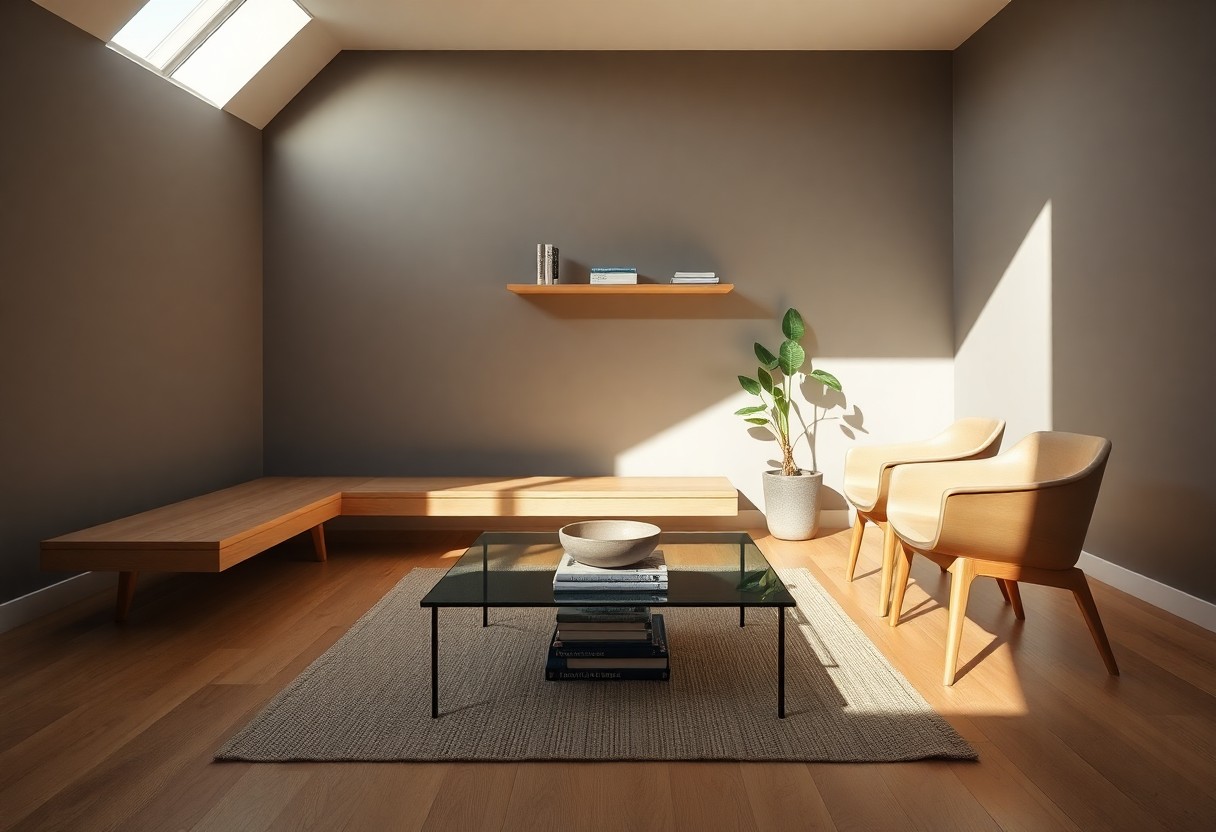
Lighting reframes minimalist spaces by revealing texture, defining form, and keeping visual clutter minimal; you should choose layered sources and warm tones to preserve Scandinavian serenity.
Maximizing Natural Light Through Open Layouts
Open layouts channel daylight deep into rooms, letting you reduce artificial lighting and keep furnishings sparse for a calm, airy Scandinavian feel.
Sculptural Light Fixtures as Functional Art
Sculptural fixtures double as functional art, giving you statement pieces that cast purposeful shadows while maintaining minimal ornamentation.
Choose sculptural fixtures in simple materials-matte metal, frosted glass, or bent wood-to complement your clean lines and muted palettes while adding tactile interest. Scale pieces proportionally to your furniture so the fixture reads as a deliberate object, and position pendants over tables or in corners to carve space with light. Use dimmers and smart bulbs so you can soften brightness and preserve minimalism after dark.
Conclusion
Presently you adopt Scandinavian minimalist furniture to declutter and redefine your home by choosing clean-lined, multifunctional pieces, muted palettes, and natural materials that streamline spaces and support mindful daily living.
FAQ
Q: What defines Scandinavian minimalist furniture and how does it help declutter and redefine your home?
A: Scandinavian minimalist furniture centers on clean lines, purposeful design, and functional simplicity that reduce visual clutter. Natural materials such as light woods, cotton, and linen combined with muted color palettes create an airy, calm environment that makes rooms feel larger. Built-in storage, furniture on legs, and multipurpose pieces hide belongings while preserving living space. The result is a tidy, flexible interior that supports clearer design choices and more intentional living.
Q: How do I select minimalist furniture for a small apartment?
A: Start by measuring your space and prioritizing pieces that serve more than one function, such as sofa beds, extendable tables, or storage ottomans. Choose compact profiles and narrow arms for sofas and chairs to increase walkable space without sacrificing comfort. Pick items with exposed legs or slim bases to create visual air beneath furniture and make the room feel less crowded. Consider modular or foldable systems that adapt to different activities and can be reconfigured as needs change.
Q: Which materials and finishes are trending in Scandinavian minimalist furniture?
A: Light, locally sourced woods like oak, ash, and birch remain popular for their durability and warm tones. Unfinished or lightly stained surfaces and matte lacquers keep the wood grain visible and reduce visual shine. Natural textiles such as wool, linen, and cotton introduce tactile contrast while staying within neutral palettes. Sustainable choices like reclaimed wood, FSC-certified timber, and low-VOC finishes are increasingly common options for long-lasting pieces.
Q: How can I add warmth and personality without breaking the minimalist look?
A: Layered textiles-throws, rugs, and cushions in neutral or earthy tones-add coziness while maintaining restraint. Plants and a few artisanal objects or ceramics introduce organic shapes and handmade character without creating clutter. Warm-toned lighting with simple fixtures highlights textures and creates atmosphere during evenings. Keeping a limited color story across textiles and accessories helps the space feel intentional rather than crowded.
Q: What should I consider when buying Scandinavian minimalist furniture to ensure longevity and value?
A: Inspect joinery, material quality, and finish durability rather than focusing solely on price. Solid wood frames, replaceable cushions, and removable covers extend usable life and simplify repairs. Buy from makers or brands that publish sourcing and repair policies to ensure parts and services are available. Explore secondhand markets and vintage Scandinavian pieces for well-crafted options that age gracefully and support a minimal, sustainable approach.
Leave a Reply