

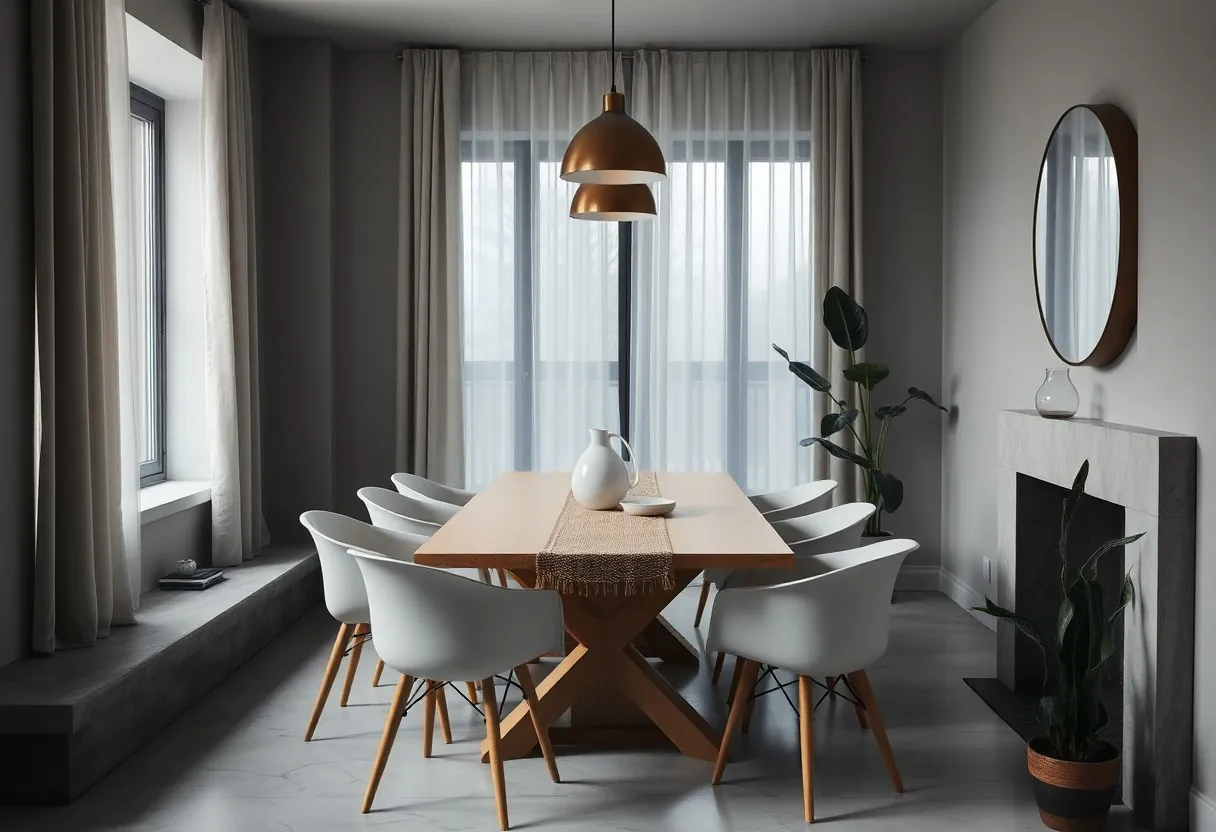
Just apply clean lines, natural materials, layered textures, functional lighting, and restrained color to craft a timeless Nordic home you’ll enjoy for years.
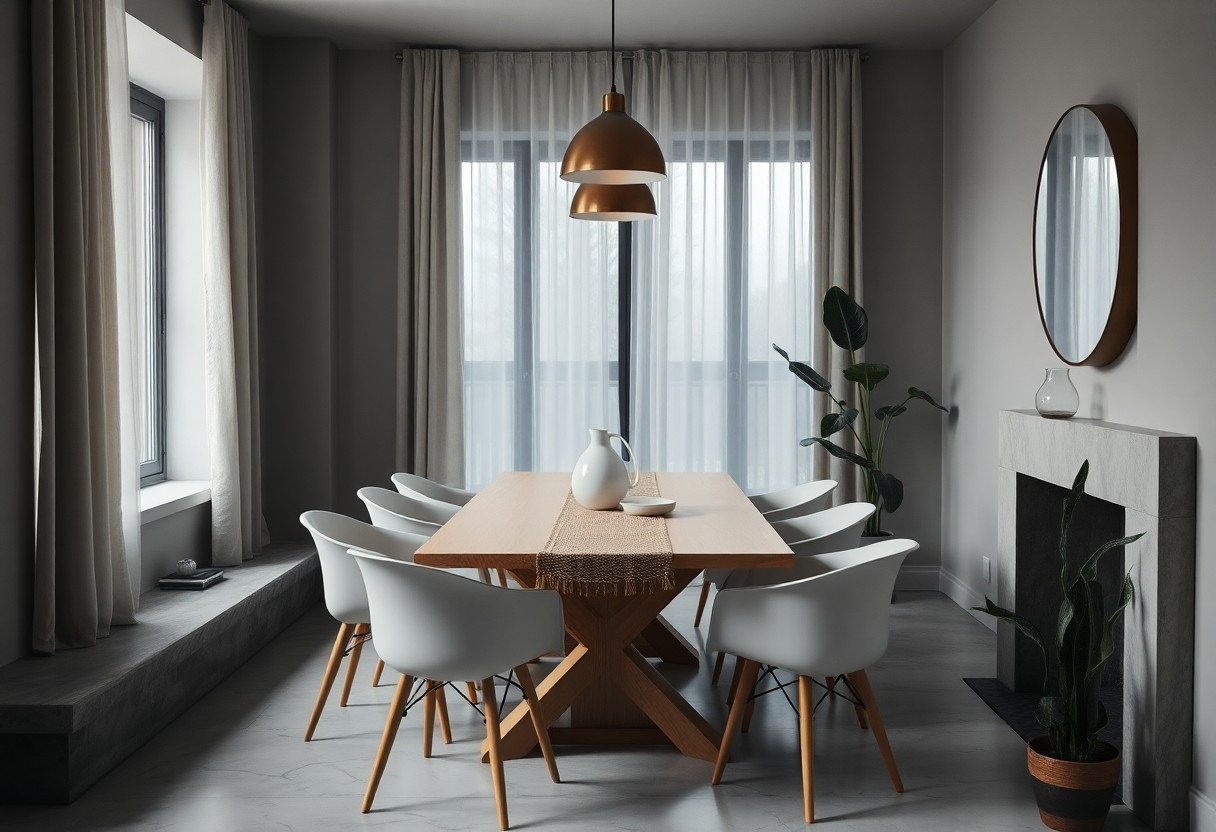
Key Takeaways:
- Minimalism and functionality guide Nordic interiors, favoring multipurpose furniture and uncluttered spaces.
- Neutral color palettes and natural materials like light wood, wool, and linen create warmth and visual calm.
- Abundant natural light, mirrored by pale walls and reflective surfaces, keeps rooms bright during long winters.
- Layered textiles-sheepskins, cozy throws, and textured rugs-introduce hygge and tactile comfort.
- Simple, curated accessories such as monochrome art, greenery, and sculptural lighting add personality without clutter.
The Foundation of Nordic Design
You anchor rooms with light, natural materials, uncluttered layouts and practical choices, so spaces feel airy, durable and timeless.
Prioritizing Functional Minimalism
Choose furniture that serves daily needs first, with simple silhouettes and smart storage so you reduce clutter while keeping comfort and style.
The Philosophy of “Form Follows Function”
Understand that you select shapes and details for purpose, letting aesthetic harmony emerge from honest materials and efficient use.
When you prioritize use, select durable woods, tactile textiles and evident joinery; favor ergonomic proportions and modular pieces so rooms adapt without frequent updates. You also choose low-maintenance finishes and visible craftsmanship so objects age gracefully and continue to serve your daily routines.
Maximizing Natural Light and Openness
You prioritize pale walls, uncluttered layouts, and minimal window obstructions so daylight flows freely, creating the airy Nordic feel that enlarges spaces and promotes calm.
Strategic Use of Reflective Surfaces
Mirrors placed opposite windows bounce light deeper into rooms, helping you brighten corners without extra fixtures; pick slim frames and warm metallics for a restrained, timeless touch.
Airy Window Treatments and Layouts
Choose lightweight linen or sheer cotton panels hung high and wide so windows read larger; you should avoid heavy drapes that block views and compress space.
Position curtain rods several inches above the frame and extend them beyond the glass so panels stack clear of openings; you can layer translucent sheers with light-filtering blinds for privacy without sacrificing daylight, and arrange furniture to preserve sightlines to the exterior.
Embracing Organic Materials and Textures
Organic materials and tactile textures help you create a calmer, more grounded interior; you can mix linen, wool, and raw cotton with leather accents to keep spaces warm while maintaining Nordic minimalism and enduring visual balance.
The Warmth of Natural Wood Elements
Natural wood tones bring warmth and character without cluttering your scheme; you can choose light oak or birch for floors and furniture, keeping finishes matte to showcase grain and pair pieces with soft textiles for inviting, long-lasting charm.
Incorporating Sustainable Stone and Fibers
Stone and responsibly sourced fibers add durable texture that ages gracefully; you can use recycled stone tiles, terrazzo, or locally quarried slabs alongside hemp rugs and jute baskets to create contrast while staying aligned with sustainable Nordic principles.
Combine warm stones with softer fibers to prevent coldness in living areas: you might install a heated stone floor in entryways and layer with washable wool runners, or place textured linen upholstery on chairs to soften stone countertops and ensure comfort.
Mastering the Art of Hygge
Hygge invites you to slow down with textured throws, candlelight, and quiet corners that make daily life feel gentle and uncluttered.
Layering Textiles for Seasonal Comfort
Layering lets you adjust comfort by mixing linens, cottons, and wool: swap lightweight throws for summer and thick knits for winter to keep rooms warm and tactile.
Creating Ambience with Soft Lighting
Soft lighting helps you craft atmosphere; place dimmable overheads, table lamps, and candles to create depth and soothe eyes.
Combine light layers so you can control mood: use warm 2700K bulbs, low-intensity lamps for reading, clustered candles for intimacy, and dimmers to tune brightness throughout the day.
Timeless Neutrality in Color Palettes
Neutrals form the backbone of Nordic schemes, letting you mix textures without visual clutter. Choose warm off-whites, soft grays and pale beiges to create an airy, enduring backdrop that supports wood and metal accents while keeping the room calm and adaptable.
The Versatility of Muted Earth Tones
Muted hues like clay, moss and sand give you a grounded, layered look that pairs with pale walls and natural textures for subtle warmth.
Using High-Contrast Accents Effectively
Contrast accents in black, navy or burnt ochre let you punctuate neutral rooms without overwhelming them, used sparingly in textiles, frames or a single piece of furniture.
Place accent pieces where your eye naturally rests-entryways, mantels or a reading nook-so color feels intentional. You should balance scale and repetition by echoing an accent hue two or three times to create rhythm, and pick one dominant contrast with smaller supporting tones to keep composition cohesive; textured finishes soften the punch while preserving Nordic simplicity.
Curating Functional Greenery
Your selections should balance beauty and purpose: pick plants that provide privacy, air-purifying benefits, or shelf-worthy texture, and arrange them to serve as natural screens, humidifiers, or soft focal points without cluttering surfaces.
Bringing the Outdoors In with Botany
Integrate potted herbs on windowsills and trailing vines near shelves so you enjoy seasonal scents, fresh garnishes, and living texture while keeping surfaces tidy.
Low-Maintenance Plants for Scandi Aesthetics
Opt for resilient varieties like snake plants, pothos, and ZZ plants that need minimal light and care yet maintain clean lines and muted tones, so you enjoy Scandi simplicity without constant fuss.
You can group plants by height and pot color, choose gritty, well-draining soil, and adopt a simple watering routine; light pruning prevents legginess while matte pots and woven baskets maintain the muted, tactile look you want without adding clutter.
Summing up
Considering all points, you can rely on timeless Nordic choices-neutral palettes, natural materials, functional furniture, and clean lines-to create a calm, enduring home that adapts with trends.
FAQ
Q: What are the 10 Nordic home décor ideas that never go out of style?
A: Key Nordic décor ideas include: a neutral color palette (soft whites, pale grays, muted blues); natural materials such as light woods, wool, linen, and leather; minimal, functional furniture with clean lines; layered textiles-throws, rugs, cushions-for warmth; warm layered lighting using pendants, table lamps, and candles; simple greenery and potted plants; restrained geometric or organic patterns; handcrafted and artisanal accents; clutter-free, well-organized spaces; and multipurpose, modular furniture that adapts to daily life.
Q: How should I choose a Nordic color palette for my home?
A: Begin with a neutral base of white, cream, or pale gray to reflect light and create calm. Introduce muted accent tones like soft blue, dusty pink, warm ochre, or sage green in textiles and accessories. Use light wood tones and occasional dark elements such as black or charcoal to provide contrast and visual anchor. Test paint and fabric samples in different lighting, and reserve bold colors for easily changed items like cushions or artwork.
Q: What tips help mix modern and vintage pieces in a Nordic interior?
A: Pair streamlined contemporary furniture with one or two vintage items to add character without clutter. Keep a cohesive color story so older pieces blend with modern ones. Match scale and proportion so no item overwhelms the room. Link materials-matching wood tones or metal finishes-across old and new pieces. Reupholster or gently restore vintage finds to maintain a fresh look while preserving their unique details.
Q: How can I create a Nordic look on a tight budget?
A: Prioritize paint, textiles, and lighting before investing in large furniture. Paint walls in pale tones, swap heavy drapes for sheer curtains, and layer affordable rugs and throws for texture and warmth. Source secondhand wooden furniture and refresh it with light sanding or new hardware. Use warm LED bulbs and candles to achieve cozy light. Add low-cost plants and simple framed prints to personalize the space without high expense.
Q: What strategies keep a Nordic interior timeless rather than trendy?
A: Select quality basics with simple silhouettes-sofas, tables, and storage-that endure style shifts. Maintain a predominantly neutral palette and update the room with seasonal textiles and small accessories. Favor natural materials and well-made craftsmanship over novelty items. Design practical, functional layouts that support everyday use and good lighting throughout. Rotate or swap small accents when you want change, rather than replacing core furniture pieces.
Leave a Reply