


With pared-back forms, natural light, and tactile woods, you can create a calm Nordic-infused interior that balances functionality and warmth; apply neutral palettes, layered textures, and purposeful storage to make contemporary spaces feel serene and lived-in.
Key Takeaways:
- Simplicity and function: prioritize clean lines, open layouts, and multi-functional furniture to create calm, usable spaces.
- Natural materials and light woods: incorporate birch, pine, wool, leather, and stone to add warmth and tactile contrast.
- Neutral palette with soft accents: base interiors on whites, grays, and warm beiges, then add muted blues, greens, or terracotta for subtle color.
- Layered lighting and daylight maximization: combine ambient, task, and accent lighting and use sheer window treatments to amplify natural light.
- Texture and cozy details: introduce rugs, throws, woven baskets, and houseplants to bring hygge comfort without clutter.
The Core Philosophies: Hygge, Lagom, and Friluftsliv
Hygge guides you to prioritize warmth and presence, Lagom steers you toward balanced choices, and Friluftsliv invites regular outdoor time to calm your mind and home.
Cultivating Coziness and Emotional Well-being
You create hygge by layering soft textiles, warm lighting, and meaningful rituals that soothe stress and deepen comfort, shaping your emotional well-being at home.
Achieving the “Just Right” Balance in Minimalism
Minimalism asks you to keep only what supports daily life, mixing functional pieces with subtle warmth so spaces feel spare but lived-in.
Balance the minimal aesthetic by choosing fewer, well-crafted items that serve purpose and bring quiet beauty; pair clean lines with warm textiles, natural wood, and soft lighting so your space feels intentional rather than empty. You can use negative space as a design element, rotate decor seasonally, and keep storage organized to maintain calm without austerity.
The Nordic Color Palette and Light Optimization
Light defines Nordic palettes, so you should prioritize pale walls, reflective surfaces, and sheer textiles to amplify daylight and create airy, calming interiors that feel larger and more serene.
Utilizing Neutral Bases to Enhance Natural Illumination
You should choose warm whites, soft grays, or pale beiges for walls and large furnishings to maximize natural illumination and provide a versatile backdrop for seasonal accents.
Integrating Earthy Tones and Muted Accents for Depth
Warm ochres, desaturated greens, and muted terracottas let you add subtle depth through textiles and accessories without overpowering the airy Nordic feel.
Layer muted earthy hues through rugs, cushions, and framed art, using repeat tones to create cohesion while keeping larger surfaces light. You can mix raw wood finishes, stone accents, and matte ceramics to reinforce organic texture; introduce a single deeper tone in a focal piece to anchor the room without breaking the calming palette. Rotate small accents seasonally to refresh interest.
Materiality and the Connection to Nature
Natural materials anchor spaces; you choose timber, stone and wool to introduce tactile warmth, subtle patina and a quiet link to the outdoors in contemporary rooms.
The Significance of Light Woods and Organic Textures
Wood with pale grains and soft finishes keeps rooms bright, enhances scale, and you rely on woven textiles to add softness without visual clutter.
Incorporating Biophilic Elements for Indoor Serenity
Plants bring air, rhythm and seasonal change; you layer potted species, trailing vines and tactile planters to craft calm pockets throughout living areas.
You can choose resilient specimens-snake plant, ZZ, pothos and ferns-for varying light and maintenance needs, group them in odd-numbered clusters, hang trailing varieties to soften shelving, and add a pebble tray or small fountain for gentle sound. Pair matte clay, stone or light-wood planters with neutral textiles, rotate plants for light exposure, and prune regularly to maintain a lived-in, serene atmosphere.
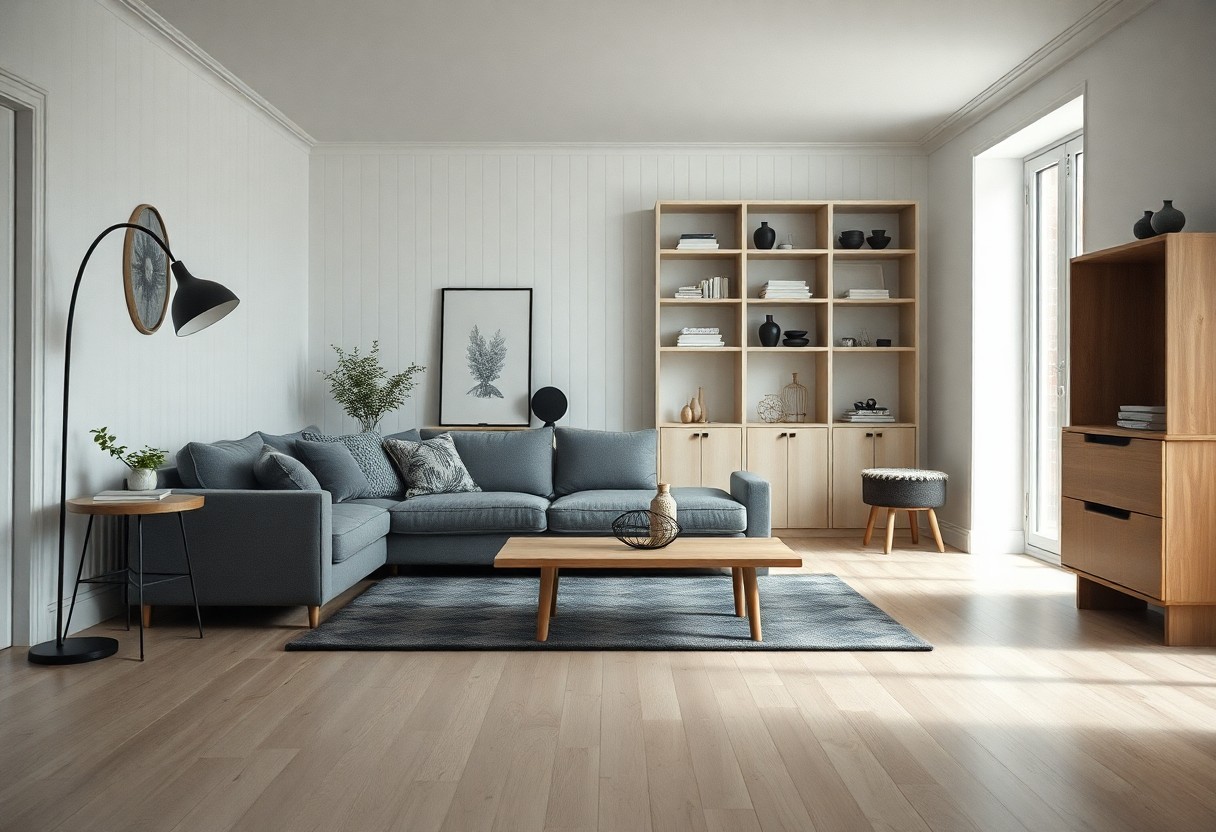
Functionalism in Contemporary Furniture Selection
Functionalism guides you to choose furniture that prioritizes purpose, clear silhouettes, and durable materials so each piece supports daily living while contributing to a calm, uncluttered interior.
Prioritizing Clean Lines and Ergonomic Design
Simplicity in your selections means opting for streamlined forms, supportive proportions, and fabrics that encourage comfortable posture without excess ornamentation.
Selecting Sustainable and Multipurpose Statement Pieces
Choose statement pieces that combine responsible materials and flexible functions so you reduce clutter and extend a piece’s useful life in small, modern homes.
Materials such as certified hardwood, recycled metals, and GOTS‑certified textiles give you longevity and low environmental impact while modular construction lets you adapt seating, storage, or surfaces to shifting needs.
Mastering Layered Lighting for Ambiance
Layered lighting defines Nordic ambiance by combining ambient, task, and accent sources so you can shape mood throughout the day while highlighting textures and natural tones to keep spaces calm and functional.
Strategic Placement of Warm and Diffused Light Sources
Position warm, diffused fixtures near seating, artwork, and textured surfaces so you can create cozy pockets and soften sharp contrasts, using dimmers and frosted shades to maintain gentle, consistent illumination.
The Role of Iconic Scandinavian Fixtures as Focal Points
Showcase iconic fixtures as sculptural anchors so you can combine form and function-pendant lamps, arc floor lights, and minimal wall sconces become visual statements that ground neutral palettes and reference classic Nordic craftsmanship.
Pair iconic fixtures with surrounding scale and materials so you can create balance-opt for matte wood, brass, or painted finishes that echo furniture, hang pendants about 70-90 cm above tables, and integrate dimmers to tune atmosphere for different activities.
Curating Textiles and Decor with Intent
Curate textiles and decor with intention, choosing pieces that balance texture, muted color, and purpose so you create calm, cohesive spaces.
Adding Warmth Through Wool, Linen, and Sheepskin
Layer wool throws, linen cushions, and a sheepskin rug to give you tactile warmth without clutter, letting neutral tones and simple patterns support your design.
The Art of Mindful Decluttering and Meaningful Curation
Prioritize items that serve a clear function or hold personal meaning so you can keep surfaces open and displays minimal, letting each object breathe.
Edit regularly using a one-in, one-out rule, group like items for calm cohesion, store off-season pieces, and rotate displays so you continually highlight only the objects you love.
Conclusion
With these considerations you can blend clean lines, muted palettes, natural materials, and functional pieces to create a calm, light-filled home that supports daily life and reflects Nordic simplicity.
FAQ
Q: What are the core principles of Scandinavian design?
A: Scandinavian design centers on simplicity, light and functionality. Neutral color schemes, clean lines and minimal ornamentation create visual calm. Natural materials such as light woods (birch, ash), leather, wool and linen add warmth and texture. Furniture prioritizes comfort and purposeful storage to reduce clutter. Abundant natural light and well-planned artificial lighting complete the serene atmosphere.
Q: How can I bring Nordic serenity into a contemporary living room?
A: Start by decluttering and keeping surfaces clear so the room feels open. Choose a light, neutral palette anchored by pale walls, a soft-toned sofa or exposed wood flooring. Select a few well-proportioned furniture pieces with simple silhouettes rather than many small items. Layer textiles like wool throws, linen cushions and a sheepskin rug to introduce warmth. Add multiple light sources-pendant, floor and table lamps-with warm bulbs to create cozy zones.
Q: Which materials, textures and colors work best for a Nordic-inspired interior?
A: Light woods, matte ceramics, glass and natural stone form the base materials. Textiles in linen, wool and cotton provide tactile contrast. Soft whites, light grays and muted pastels offer a calm backdrop while black or deep charcoal act as sparing accents. Brushed metal or matte finishes on fixtures keep the look restrained. Introduce living plants for organic texture and a subtle color lift.
Q: How do I balance minimalism with hygge-style coziness?
A: Create a streamlined layout with only the furniture you need, then add comfort through layers. Place soft throws, textured cushions and rugs where people sit to invite use. Use warm, dimmable lighting and candles to produce intimate light levels. Limit decorative objects to a few meaningful pieces displayed deliberately rather than scattered. Add natural elements like wood bowls, woven baskets and potted plants to soften the minimal structure.
Q: What are practical tips for mixing Scandinavian pieces into an eclectic or modern home?
A: Pair Scandinavian furniture with one or two bolder or more colorful items to introduce personality without cluttering the space. Repeat materials or colors across different elements to create cohesion, for example a light-wood table and matching shelving. Choose Scandinavian lighting and textiles to anchor the scheme while allowing other styles to coexist. Consider vintage Nordic pieces for character and sustainability, and keep accessory counts low to preserve the understated feel.
Leave a Reply