

There’s an elegant way to integrate Montessori toys into your decor without sacrificing play value; this guide shows seven simple steps to curate, arrange, and maintain them as chic accents. You’ll learn how to choose neutral palettes, use natural materials, select purposeful displays, balance scale and color, incorporate storage as styling, rotate items seasonally, and prioritize safety and accessibility so your home feels cohesive, playful, and thoughtfully designed.
Understanding Montessori Toys
These toys prioritize purpose and simplicity: open-ended play, natural materials like beech or maple, and clear, tactile feedback so your child can explore independently. You’ll notice forms that match real-world proportions-stackers, puzzles, bead frames-designed to develop fine motor skills and concentration rather than flash a brand. Displayed thoughtfully, they read as intentional decor instead of cluttered playthings.
The Philosophy Behind Montessori
Born from Maria Montessori’s early-1900s pedagogy, the approach centers on independence, sensory learning, and order; you provide a prepared environment and the child directs activity. Studies show focused, self-chosen work spans longer attention with Montessori materials-knobbed cylinders, sensorial tablets-that isolate single concepts so your child refines a skill through repetition and subtle variation.
Choosing the Right Toys for Style
Select toys that double as objects: neutral tones, simple geometry, and visible craftsmanship read as design. You’ll want 4-6 items per shelf to maintain negative space; pick materials that age well-unfinished wood, linen, cotton-and pieces like Grimms rainbows, knobbed puzzles, or wooden blocks that translate easily into minimalist rooms.
To refine the look, mix texture and scale: a small wooden abacus next to a soft wool ball balances line and softness, while a single colorful Grimms arc can become a focal point. Rotate sets every 2-3 weeks to keep visual calm and play novelty, use shallow wooden trays or woven baskets for containment, and keep displays at child height so they function as both decor and accessible workstations.
Selecting a Color Palette
Use the 60-30-10 rule to map your toy styling: 60% dominant neutral (walls, large furniture), 30% secondary tone (rug, shelving) and 10% accent (toys). Test with 3×3″ swatches next to your sofa or shelf and try hex samples like #E8E3D9 (warm neutral), #A3B18A (sage) and #D9A07B (terra cotta) to see undertone shifts under your light. Prioritize natural wood finishes-maple, beech, walnut-to anchor the palette and keep visual warmth consistent.
Neutral vs. Bold Colors
If you prefer a calm backdrop, stick with neutrals such as greige (#EDE7DF), warm white (#FAF8F3) or soft gray (#F5F5F2) and add one or two bold pieces for contrast. Bold hues like mustard (#DDA15E), teal (#157A6E) or coral (#FF6B6B) work best in small doses-aim for 10-20% of the display-and place them at eye level or in groupings of 3 to create visual impact without overwhelming the room.
Complementing Existing Decor
Assess the undertone of your dominant finishes-warm (brass, oak) or cool (chrome, black)-and match toy accents accordingly: amber, terracotta and olive play well with warm metal and wood, while cobalt, teal and slate pair with cool fixtures. Scale matters too: small toys read as accents on a mantel, larger montessori pieces function as sculptural floor elements, so choose color intensity based on the piece’s visual weight.
Take three practical steps to tie toys into the room: photograph the space, pick three sampled colors from the photo (dominant, secondary, accent), and place a test toy in situ for 48 hours to judge harmony across daylight and artificial light. Use textiles-throw pillows or a runner-with one matching toy color to create deliberate repetition, and prefer matte finishes for subtlety or gloss for an intentional highlight depending on the mood you want.
Creative Display Ideas
Pair pared-back furniture with selective toy groupings so your living spaces feel curated rather than cluttered; aim for 3-5 focal arrangements per room and rotate items every 2-3 weeks to keep the look fresh. Use neutral palettes-warm wood, rattan, linen-and introduce one or two color accents from the toys themselves. Arrange by shape or function (stackers together, pull toys together) and leave breathing room: negative space emphasizes each piece and reads as intentional design.
Open Shelving Solutions
Choose floating or ladder shelves 8-12 inches deep and space them about 12 inches apart to accommodate varying toy heights; mount lower shelves at 24-36 inches so children can access favorites while adult-viewed pieces sit at 48-60 inches. Group items in odd numbers (3 or 5) and mix textures-wood, ceramic, cotton-for visual contrast. Secure shelves to studs, place heavier items nearest the wall, and add a 2700K LED strip for soft, gallery-like illumination.
Decorative Baskets and Storage
Use seagrass, wicker or canvas baskets in consistent tones to hide bulk while maintaining texture; pick sizes like 8″, 12″ and 16″ diameters for visual rhythm and stackability. Label with small chalk tags or leather tabs so you can rotate toys every 2 weeks and keep daily cleanup under 5 minutes. Position 2-4 baskets per shelf to balance openness with order and let handles face outward for easy access.
For durability, choose breathable materials for wooden toys and washable liners for fabric baskets; you can machine-wash canvas liners on cold and air-dry to keep natural fibers intact. Combine uniform basket widths on a single shelf for a clean horizontal line, then vary heights by nesting a taller basket on the floor next to the shelf. Anchor lightweight baskets with a small pebble bag if you store larger wooden pieces to prevent tipping during play.
Incorporating Natural Materials
Integrate warm woods and natural fibers into display areas: you should aim for 3-4 natural elements per shelf to avoid clutter. Pair a set of beech blocks with a neutral linen mat and a small terracotta pot for contrast. Natural materials like solid wood and wool develop patina over time, adding depth while keeping the aesthetic calm and cohesive.
Selecting Wooden Toys
Choose solid woods like beech, maple, or walnut and avoid plywood or plastic-coated pieces; you should prefer oil or beeswax finishes and VOC-free sealants to enhance grain and safety. Feature 2-3 tactile pieces-stacking rings, Montessori cylinder blocks, a wooden abacus-and arrange them by size or color to create a balanced visual rhythm and intentional focal points.
Using Textiles and Plants
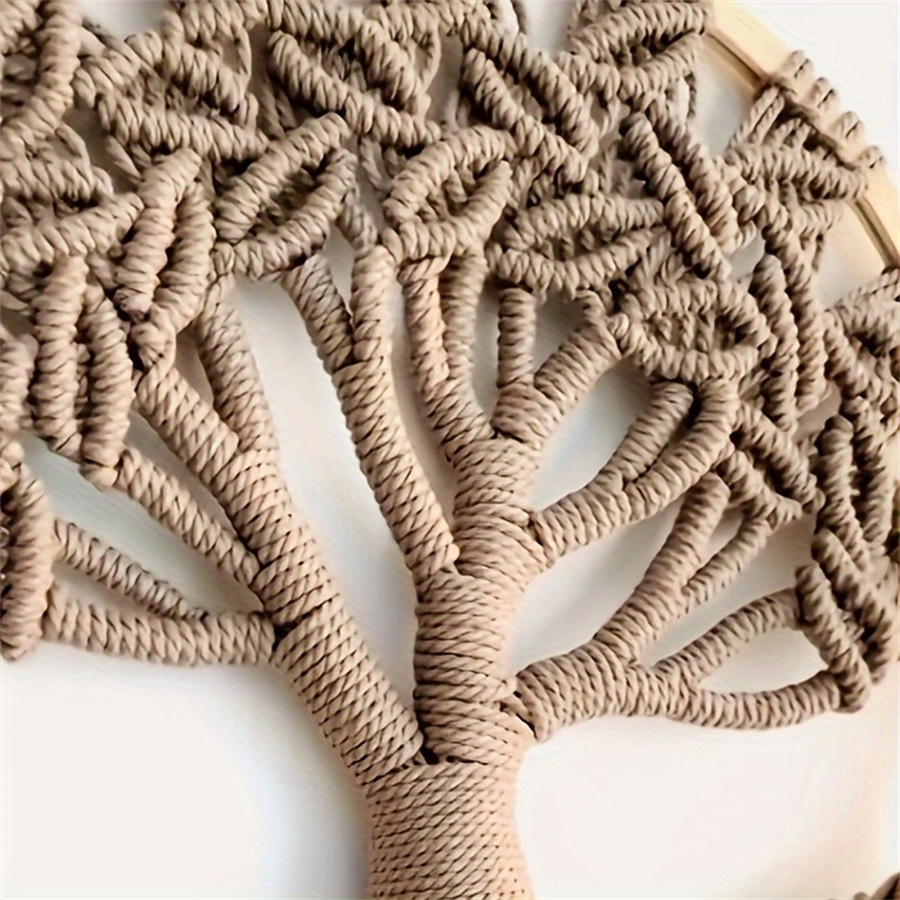
Introduce textiles such as linen, organic cotton and wool in muted tones-sand, clay, muted sage-to soften corners and anchor toy groupings; you should limit to 2-3 pieces per vignette like a 60×90 cm rug, a washable cushion cover, and a macramé basket. You can add a 10-20 cm potted succulent or snake plant to introduce living texture without overwhelming the space.
Layer textures by mixing coarse weaves with smooth ceramics; you should choose non-toxic plants like spider plant, Boston fern or haworthia and place them where you can water weekly (pothos) or every 2-3 weeks (succulents). Rotate textiles during washing, swap small pieces seasonally, and position plants on higher ledges or weighted baskets if you want to keep them out of curious hands while maintaining visual warmth.
Making Use of Multi-functional Spaces
You can turn shared rooms into stylish, functional family areas by using low shelving (60-90 cm) and mobile storage like an IKEA RÅSKOG cart to keep toys accessible yet tidy; place 2-3 matching baskets per child, display 6-8 rotated Montessori pieces, and coordinate colors with your existing palette so toys blend with décor while staying within a child’s reach for independent play.
Shared Play and Living Areas
When your living room doubles as a play space, anchor the area with a 3×4 ft rug and a low shelf or Kallax unit to create visual order; position seating within 2 meters so you can supervise without dominating the play, use closed bins for quick evening tidying, and limit open displays to 6-8 items to keep the space serene and functional.
Designating Play Zones
You should establish distinct zones-reading nook, fine-motor table, and active-play carpet-using simple anchors like a small shelf, a 3×4 ft rug, or a child-sized table; assign 1-2 baskets per zone, keep materials within arm’s reach, and maintain a rotation of 8-10 toys per zone to support focus and reduce overstimulation.
For more detail, place quieter zones (reading, puzzles) away from TV noise and closer to natural light, and locate active areas where floor space allows at least 6×8 ft for movement if you have multiple children; ensure 36-inch clear pathways for adults, secure rugs with non-slip pads, store backups within 1 meter so you can swap materials in under a minute, and track rotations on a simple calendar-weekly swaps sustain novelty and keep the display curated like gallery vignettes.
Personalizing Montessori Spaces
You can tailor the room by creating three zones-work, rest, and display-and rotate toys every 2-4 weeks to sustain engagement. Use low shelves, clear labels, and natural materials for cohesion; see practical before-and-after ideas and storage hacks in this post I re-organized our playroom to be Montessori-ish, and it made a huge difference that you can adapt to your layout.
Customizing Displays
You should limit each shelf to 3-5 items and arrange them by color, material, or skill-sensorial blocks together, puzzles grouped by difficulty. Mount a low art rail at about 90 cm for rotating creations, use matching natural baskets for small parts, and keep one open tray per child at eye level to encourage independent selection.
Adding Family Touches
Bring 2-3 sentimental items into play areas-grandparents’ quilt folded on a chair, a framed family photo at a child’s eye level, and a favorite wooden toy on a pedestal-to make the room feel lived-in while preserving Montessori order.
Keep those sentimental pieces accessible but off main work shelves: rotate them every 4-6 weeks so each becomes a discovery rather than background clutter. Use two low hooks for a dress-up costume, dedicate a single cubby for heirloom toys, and add short labels telling each item’s story to boost vocabulary and family connection without disrupting the learning layout.
Final Words
To wrap up, by following the seven simple steps you can transform Montessori toys into stylish elements that enhance your home’s aesthetic while preserving play value. Focus on natural materials, cohesive color palettes, streamlined storage, and thoughtful placement so your spaces feel curated yet child-friendly. With small adjustments you’ll create a balanced, elegant environment that supports learning and everyday living.
Leave a Reply